DJI Mavic 3 Classic vs Mini 4 Pro for Lighthouse Coastlines
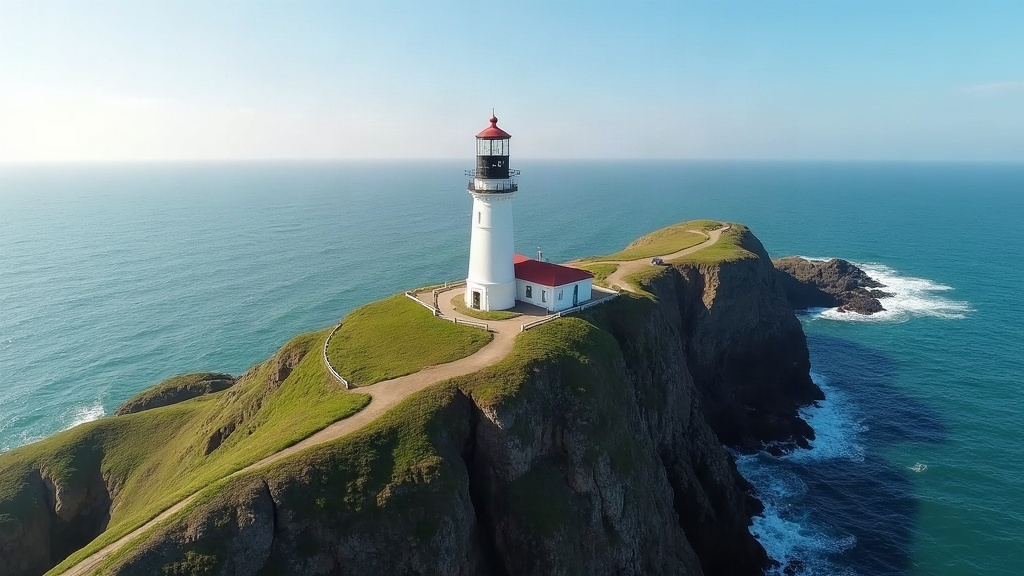
If you’re torn between the DJI Mavic 3 Classic and the DJI Mini 4 Pro for shooting rocky lighthouse coastlines, here’s the blunt version: the Mavic 3 Classic wins on image quality and wind stability, the Mini 4 Pro wins on portability, legal ease, and flying in tight cliffside spots. Which one’s actually “better” comes down to what your shoot demands, and lighthouse coastlines throw enough curveballs that this isn’t a simple pick.
Why Lighthouse Coastlines Are a Special Case
Rocky lighthouse coastlines stack several hard problems on top of each other:
- Strong, gusty, unpredictable wind rolling in off the open ocean
- Salt spray that quietly corrodes electronics and motors over months of use
- Narrow launch zones - think rocky outcrops, cliff edges, or a cramped parking turnout
- Dramatic light (golden hour, fog, storm light) that punishes a camera with weak dynamic range
- Tall structures (the lighthouse itself) that demand careful vertical framing and real obstacle awareness
A drone that handles a calm city park without breaking a sweat can fall apart out here. Let’s go through how each one actually performs.
Image Quality: Mavic 3 Classic Takes the Lead
The Mavic 3 Classic runs a 4/3-inch CMOS Hasselblad sensor paired with a 24mm equivalent f/2.8 lens, pulling 20MP stills and 5.1K video. For lighthouse scenes, where you’re often framing into bright sky with dark rock silhouettes below, that bigger sensor gives you:
- Noticeably better dynamic range when you need to pull shadow detail out of the rocks
- Cleaner results in low light and during blue hour
- More accurate color (thanks to Hasselblad’s Natural Color Solution) across sky and water gradients
The Mini 4 Pro’s 1/1.3-inch sensor is genuinely impressive given its size (48MP stills, 4K/60fps HDR video), but throw it into high-contrast coastal light, white sea foam slamming against black cliffs, and you’ll see more noise creeping into shadows, plus a bit less tonal depth once you start pushing RAW files in post.
Verdict: if you’re printing large, doing magazine-grade landscape work, or hammering your files hard in post, the sensor gap favors the Mavic 3 Classic, and you’ll see it.
Wind Resistance: Where the Mavic 3 Classic Shines
Lighthouse points are almost always windier than anything inland. The Mavic 3 Classic carries a wind resistance rating around Level 5 (10-10.7 m/s / 23 mph), helped by its heavier 895g frame and stronger motors. In the field, it holds a dead-steady hover even when gusts would shove a lighter drone right off its mark.
The Mini 4 Pro is rated the same on paper (Level 5), but at just 249g it gets knocked around far more in real conditions near cliffs, where wind funnels and turbulence are the norm, not the exception. Pilots flying it near coastal bluffs often notice visible shake and the gimbal constantly compensating, which can chip away at video smoothness.
Verdict: on consistently windy capes and headlands, the Mavic 3 Classic simply feels more planted in the air.
Portability and Legal Convenience: Mini 4 Pro Wins
Here’s where the Mini 4 Pro pulls ahead, and it’s not close. Weighing under 250g, it:
- Skips FAA Part 107 registration in many recreational situations (though you should still check local rules)
- Slips into a jacket pocket or small daypack, which matters a lot on a three-mile hike to a remote lighthouse
- Launches easily off a narrow rocky ledge where a bigger drone’s prop clearance becomes a real gamble
- Runs into fewer restrictions inside parks, nature reserves, or tight coastal regulation zones
The Mavic 3 Classic, sitting at nearly 900g, means more registration paperwork in most countries and a bulkier pack on long lighthouse approach trails.
Obstacle Avoidance Near Cliffs and Structures
The Mini 4 Pro comes with omnidirectional obstacle sensing, which is a genuine safety net when you’re flying tight around a lighthouse tower, a rock spire, or a sheer cliff face. The Mavic 3 Classic only has forward, backward, and downward sensors, nothing on the sides or above, so weaving around a lighthouse’s circular gallery or a cluster of narrow rock stacks carries more risk.
Battery Life and Practicality
- Mavic 3 Classic: roughly 46 minutes of rated flight time, which buys you more patience when you’re waiting around for the light to turn
- Mini 4 Pro: about 34 minutes (the Plus battery stretches that a bit), and its spare batteries are light enough that carrying three or four on a hike is no burden
Quick Recommendation
- Choose the Mavic 3 Classic if: image quality is your top priority, you’re regularly shooting in rough wind, and you don’t mind the extra weight and paperwork.
- Choose the Mini 4 Pro if: you’re hiking into remote lighthouse locations, need tight obstacle avoidance around rock structures, and portability plus legal simplicity matter more to you than squeezing out the last bit of image quality.
Conclusion
Both drones can produce genuinely stunning lighthouse coastline shots, just for different kinds of shoots. The Mavic 3 Classic is the stronger tool when you need professional-grade stills and video in rough wind. The Mini 4 Pro makes more sense when accessibility, obstacle safety, and traveling light are what matter most. If your budget and logistics allow for it, a lot of serious coastal photographers end up with both: the Mini 4 Pro for scouting and squeezing into tight spots, the Mavic 3 Classic for the hero shot once they know exactly where to stand.